
 EN
 AR

How much does a website cost in saudi arabia? Ask five agencies and you may get five very different answers, and every one of them can be honest. A website is not a product on a shelf. It is a set of decisions about pages, languages, features, content and who maintains it after launch, and each decision changes the amount of work involved.
This guide does not give you a price list, because any list would be wrong for most businesses. Instead it explains what actually drives the cost, what you keep paying after the site goes live, and how to compare quotes so that you are comparing the same work. It is written for clinics, shops, studios and service businesses in Riyadh, Jeddah, Dammam and the rest of Saudi Arabia.
Key takeaway
There is no single price: the cost follows the scope of work, not the number of pages alone.
Key takeaway
Arabic and English versions, custom features and original content all add real work.
Key takeaway
The platform you choose changes both the build cost and the running cost.
Key takeaway
Budget for hosting, the domain, security updates and small changes after launch.
Key takeaway
Ask for a written scope so that you can compare quotes fairly.
How much does a website cost in saudi arabia: the short answer
A website in Saudi Arabia costs whatever its scope requires. A simple company site with a handful of pages is a small job. A clinic site with a page for every treatment, online booking and two languages is a much larger one. An online store with hundreds of products, payment gateways and delivery options is larger again. The type of site matters far more than any headline figure you see in an advert.
The fairest way to think about price is to list what the site must do for your business, then ask each supplier to price that list in writing. When two quotes cover the same list, you can compare them. When they do not, the cheaper one is often cheaper because it leaves something out.
Why quotes differ so much
Quotes vary because suppliers include different things. One may include copywriting, photography, search optimisation and training. Another may only install a ready made theme and leave the content to you. One may build both languages properly, with Arabic laid out from right to left. Another may add an automatic translation plugin and call it bilingual. On paper both are a website, but they are not the same product.
Price versus value
A cheap site that brings no enquiries is expensive. A site that costs more but turns visitors into calls and WhatsApp messages can pay for itself. Before you compare figures, decide what the site is for: bookings, leads, sales or credibility. That goal tells you which features are essential and which are nice to have.
What changes the cost of a website
Several factors move the price up or down. Understanding them helps you cut what you do not need and protect what you do.
Type of site
A company profile site explains who you are and how to contact you. A clinic or service site adds treatment or service pages, team profiles, booking and reviews. An online store adds products, a cart, payments, delivery and stock. A portal or member area adds logins and user accounts. Each step up adds design, development and testing time.
Number and type of pages
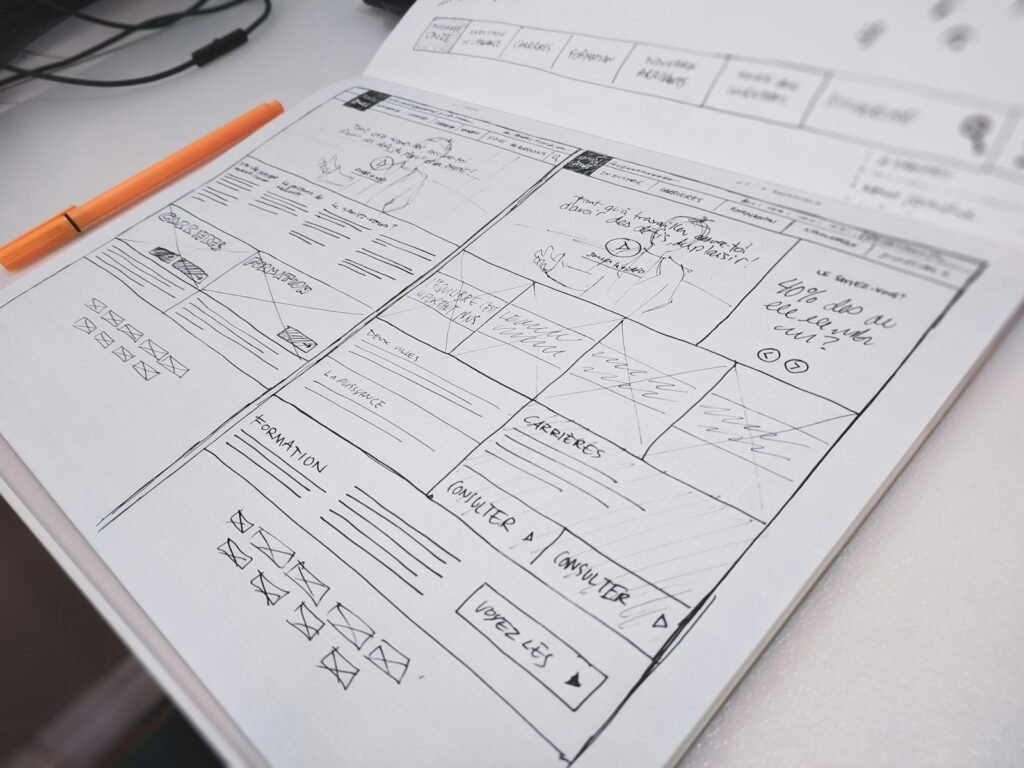
Not all pages are equal. A contact page is quick. A service page that explains a treatment, answers questions, shows results and leads to a booking takes real thought. A good rule is to count the pages that need unique content and design, not just the total number of pages.
Arabic and English
A proper bilingual site is not one site with a translation switch. Arabic needs a right to left layout, Arabic fonts that read well on a phone, and copy written for Arabic readers rather than translated word for word from English. Menus, forms, buttons and even icons may need to change direction. Done well, this is close to building two sites that share one structure, and it should be priced that way.
Platform
WordPress, Shopify, Salla, Zid and custom code each have different strengths. WordPress is flexible and good for content and search. Shopify, Salla and Zid are built for stores and handle payments and delivery for you, with a monthly subscription. Custom code can do anything but costs more to build and to maintain. The platform also decides how easily your team can edit the site without calling a developer.
Features and integrations
Booking systems, payment gateways, WhatsApp buttons, CRM connections, maps, calculators and multi branch setups all add work. Some are a simple plugin. Others need custom development and testing with a third party. List every feature you need, and mark which ones must be ready at launch and which can wait.
Content, design and search work
Many quotes look low because they assume you will provide everything that goes on the page. In practice, content is where most projects slow down.
Who writes the words
Good copy explains what you do, who it is for and why someone should choose you, in language your customers use. Writing it in Saudi Arabic and in English is skilled work. If the agency writes it, expect it to be priced. If you write it, plan the time, because a site cannot launch with empty pages.
Photos and video
Real photos of your team, your clinic or your products build far more trust than generic stock images. A photo shoot or a short video adds cost, but it often makes the biggest difference to how the site feels. If you use stock images, choose ones that match your work closely.
Search and speed built in
A site that loads quickly and is set up for Google search from the start saves money later. Ask whether page speed, page titles, descriptions, headings, sub headings and Google Search Console are included in the price or added afterwards.
A site built with search in mind has clean page titles, descriptions, headings, fast loading images, structured data and internal links from day one. Adding this later is possible but usually costs more. Ask each supplier what search and speed work is included at launch. You can read more about our approach on our website development service page.
Costs after launch
The build is only the first part of the cost. A website needs care to stay fast, secure and useful.
- The domain name, renewed every year.
- Hosting, which can be shared, managed or cloud, with very different levels of speed and support.
- Security updates for the platform, theme and plugins.
- Regular backups and a tested way to restore them.
- Paid plugins, apps or platform subscriptions.
- Small content changes, new pages and seasonal offers.
Ask every supplier what is included each month and what is charged separately. A low build price with an expensive or unclear support plan can cost more over a year than a higher build price with simple, fair support.
How to compare website quotes
Comparing quotes is easier when you ask the same questions of everyone. Use this checklist before you sign.
- Ask for the full page list and feature list in writing.
- Confirm that both languages are fully built, including Arabic from right to left on mobile.
- Check whether copywriting, photos and basic search work are included.
- Ask who will own the domain, the hosting account and the site files.
- Ask how many rounds of changes are included and what happens after that.
- Ask for the timeline, the launch checklist and the support after launch.
Red flags to watch for
Be careful if a supplier cannot show live sites they built, refuses to put the scope in writing, keeps the domain or hosting in their own name, or promises first page results on Google within days. None of these always means a bad supplier, but each one deserves a clear answer before you pay.
Choosing the right platform for your budget
The platform choice is one of the biggest decisions you will make, because it affects the build, the running cost and how much you can change yourself.
When WordPress makes sense
WordPress suits clinics, service businesses and anyone who plans to publish content regularly. It is flexible, works well for search and has a huge range of plugins. It does need regular updates and good hosting to stay fast and secure.
When a store platform makes sense
If selling online is the main goal, Shopify, Salla or Zid can be faster to launch and easier to run, because payments, delivery and security are handled for you. You pay a monthly subscription, and some advanced changes are limited by the platform.
A sensible way to start
If budget is tight, start with what brings enquiries. Build the home page, your main service or treatment pages, an about page with real proof and a clear contact page with WhatsApp. Make them fast, clear and correct in both languages. Then add blog posts, more services and extra features once the site is bringing in work.
Write down your goal, the pages you need and the features that must be ready at launch, then ask two or three suppliers to price that same list. That simple step answers the question of how much does a website cost in saudi arabia for your business far better than any price list.
Related reading

Written by Mahmoud Samir
Digital marketing specialist at BrightSeen
I help businesses in Saudi Arabia and the USA get found on Google and ChatGPT, and turn Google, Instagram and Meta ads into real customers. I write in plain words, and I update my articles when things change.
Frequently asked questions
How much does a website cost in Saudi Arabia?
There is no fixed price. The cost depends on the type of site, the number of unique pages, whether it is Arabic and English, the platform, the features and who provides the content. Ask for a written scope and compare quotes that cover the same work.
Why do website quotes differ so much?
Suppliers include different things. Some include copywriting, photos, search work and support, while others only install a theme. Compare the page list, features and support in writing, not just the final figure.
Is a bilingual website more expensive?
Usually yes, because a proper Arabic and English site needs a right to left layout, Arabic fonts, separate copy for each language and testing in both. It is closer to building two sites on one structure.
What do I pay after the website launches?
Expect to pay for the domain, hosting, security updates, backups, any paid plugins or platform subscriptions and small content changes. Ask each supplier exactly what their monthly support includes.
Which platform is cheapest to run?
It depends on your needs. Store platforms such as Shopify, Salla and Zid charge a monthly subscription but handle payments and security. WordPress has lower platform fees but needs good hosting and regular updates.
How can I keep the cost down?
Start with the pages that bring enquiries, write or supply your own content where you can, choose a platform that fits your goal and add extra features after launch once the site is working.